
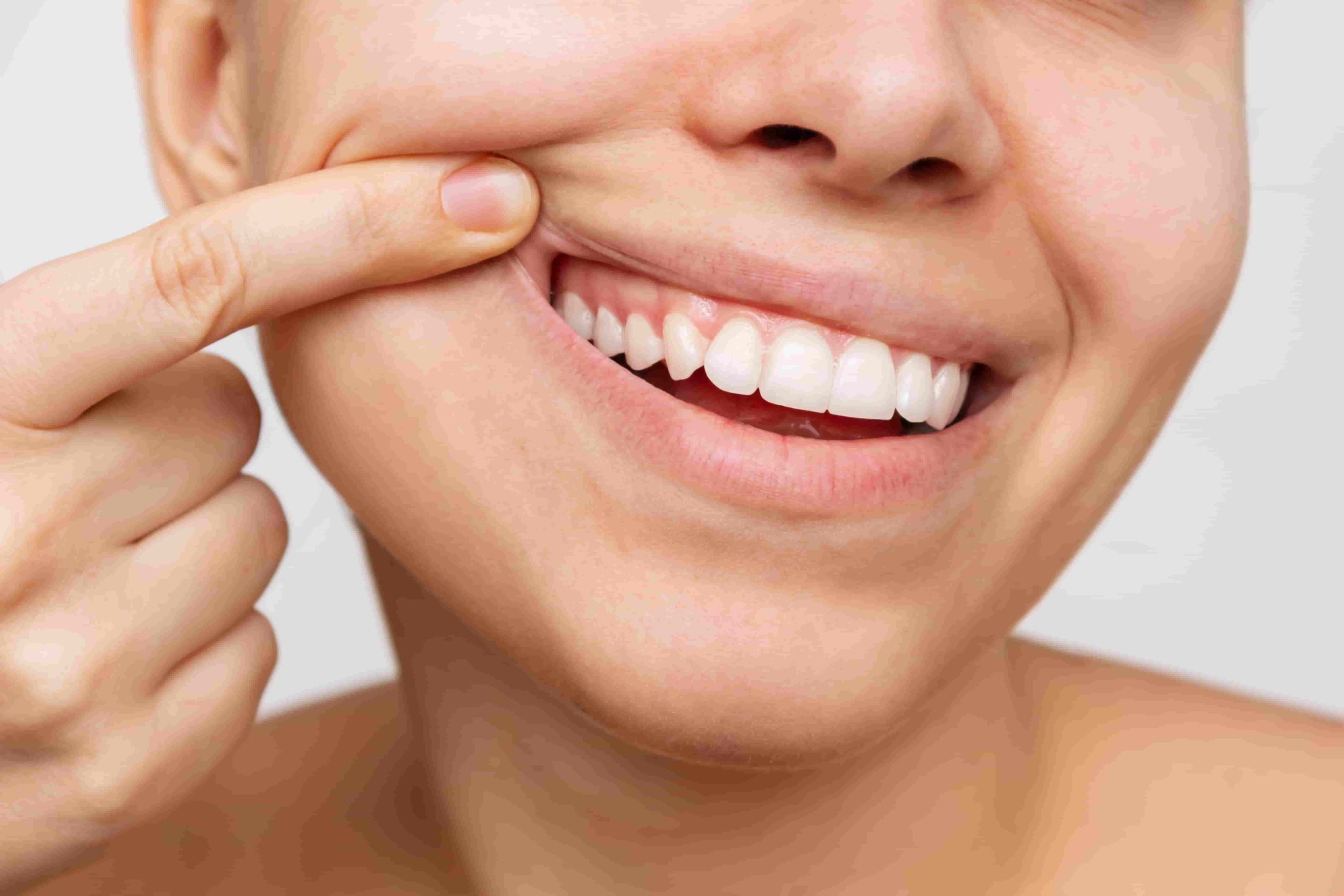
Many people focus on the whiteness of their teeth while overlooking an equally important indicator of oral health: their gums. Understanding what healthy gums look like helps you spot early warning signs of gum disease before serious problems develop. Your gums play a vital role in protecting your teeth and the underlying bone structure, making their health essential to your overall dental wellness.
What Do Healthy Gums Look Like in Detail?
Healthy gums have several distinctive characteristics that set them apart from gums affected by disease or infection.
Color
Healthy gum tissue typically appears pink, though the exact shade varies based on your natural skin tone. People with darker complexions may have naturally darker gums, which is completely normal. What matters most is consistency. Healthy gums maintain an even color throughout your mouth without patches of red, white, or unusually dark areas.
Texture
The surface of healthy gums has a slightly stippled texture, similar to the skin of an orange. This bumpy appearance indicates strong, well-attached tissue. Smooth, shiny gums often signal inflammation and should prompt a visit to your dentist.
Firmness
When you gently press healthy gums, they feel firm and resilient. They fit snugly around each tooth without gaps or pockets where bacteria can accumulate. Gums that feel soft, puffy, or spongy may indicate early gum disease.
No Bleeding
Healthy gums do not bleed during brushing, flossing, or eating. If you notice blood on your toothbrush or in the sink after brushing, this often signals gingivitis, the earliest stage of gum disease. According to the CDC, nearly 42% of adults aged 30 and older have some form of periodontitis, making regular gum checks essential.
Signs Your Gums Need Attention
Recognizing unhealthy gums early allows for simpler, more effective treatment. Watch for these warning signs:
- Red, swollen, or puffy gums
- Bleeding when brushing or flossing
- Gums that pull away from teeth
- Persistent bad breath
- Teeth that appear longer due to receding gums
- Loose teeth or changes in your bite
- Pus between teeth and gums
If you notice any of these symptoms, schedule a dental examination promptly. Early intervention can reverse gingivitis and prevent progression to more serious periodontal disease.
How to Keep Your Gums Healthy
Maintaining healthy gums requires consistent daily care and regular professional attention.
Daily Habits
Brush twice daily using a soft-bristled toothbrush and fluoride toothpaste. Angle your brush toward the gumline to remove plaque where it accumulates most. Floss at least once daily to clean between teeth where your toothbrush cannot reach.
Professional Care
Regular teeth cleanings remove tartar buildup that you cannot eliminate at home. Your dental hygienist can also identify early signs of gum problems and recommend targeted treatments before issues escalate.
Lifestyle Factors
Smoking significantly increases your risk of gum disease and slows healing. A balanced diet rich in vitamins C and D supports gum tissue health. Staying hydrated helps maintain saliva production, which naturally cleanses your mouth and fights bacteria.
Why Gum Health Matters Beyond Your Mouth
Research continues to reveal connections between gum disease and systemic health conditions. Periodontal disease has been linked to heart disease, diabetes complications, respiratory problems, and pregnancy complications. Understanding what healthy gums look like and maintaining that health protects more than just your smile.
Gingivitis vs. Periodontitis: What's the Difference?
Gingivitis is the early, reversible stage of gum disease — inflammation caused by plaque buildup along the gumline, showing up mainly as redness, swelling, and light bleeding when brushing or flossing. It rarely causes pain, which makes it easy to overlook until a dentist points it out, but it's fully reversible with good oral hygiene and professional cleanings. Left untreated, gingivitis can (and will) advance into periodontitis over time — anywhere from a few months to several years, depending on factors like smoking, oral hygiene, stress, and genetics. Periodontitis is more severe: gums pull away from teeth and form pockets that trap bacteria, leading to gum recession, bad breath, sometimes pain when chewing, and — as bone structure is lost — loose teeth or abscesses. Unlike gingivitis, periodontitis causes permanent damage and requires more intensive treatment such as scaling and root planing, or surgery in advanced cases. Regular checkups and consistent brushing and flossing are what keep gingivitis from ever crossing that line.
What Is Periodontal Maintenance?
Periodontal maintenance is a specialized cleaning for patients who have gum disease or have been treated for it — different from a standard cleaning, which focuses on prevention above the gumline for patients with healthy gums. A periodontal maintenance visit goes below the gumline: measuring and monitoring pocket depths, removing plaque and tartar from above and below the gumline, smoothing root surfaces (root planing) to discourage bacteria buildup, irrigating pockets with antibacterial solutions if needed, and reviewing home-care habits. It's less about a single cleaning and more about ongoing disease management. Most patients need visits every 3 to 4 months, since harmful bacteria can recolonize gum pockets within about 12 weeks of treatment — the schedule is customized based on pocket depth, degree of bone loss, gum health stability, and personal risk factors like smoking or diabetes. Skipping maintenance allows bacteria to repopulate and inflammation to return, which can mean deeper pockets, further bone loss, and eventual tooth mobility — often without obvious symptoms in the early stages, since gum disease is usually painless until it's advanced.
The Wider Impact of Unhealthy Gums
Unhealthy gums affect far more than the mouth. Research links periodontal disease to two to three times the risk of heart attack, stroke, and other cardiovascular events, as bacteria from inflamed gums enter the bloodstream and contribute to arterial plaque. For people with diabetes, gum disease and blood sugar create a destructive cycle — gum disease makes blood sugar harder to control, while elevated blood sugar worsens gum inflammation. Pregnant women with unhealthy gums face increased risk of premature birth and low birth weight, since hormonal changes make gums more vulnerable during pregnancy. Bacteria from the gums can even be inhaled into the lungs, contributing to respiratory infections or worsening conditions like COPD. Day to day, unhealthy gums also mean chronic pain, bad breath that affects confidence and relationships, and — in severe, untreated cases — tooth loss that impacts chewing, speech, and facial structure, along with the higher cost of the more complex treatment that advanced gum disease requires. Warning signs to watch for include red, swollen, or tender gums; bleeding when brushing or flossing; receding gums exposing tooth roots; persistent bad breath despite good hygiene; loose or shifting teeth; pus between teeth and gums; and changes in how the bite feels. Daily prevention — brushing twice a day with fluoride toothpaste, flossing daily, using an antimicrobial mouthwash, avoiding tobacco, and eating a balanced, low-sugar diet — is what keeps unhealthy gums from progressing to that point.
What Are Periodontal Services?
Periodontal services are the branch of dental care focused on the health of the gums and the bone structure supporting the teeth — everything from preventive maintenance to more advanced intervention, depending on the stage and severity of gum disease present. Common treatments include scaling and root planing (a deep cleaning that removes tartar and bacteria from below the gumline and smooths root surfaces to discourage future buildup), periodontal maintenance (ongoing hygiene visits scheduled more frequently than standard cleanings for patients managing chronic gum disease), a full gum disease evaluation and diagnosis (assessing pocket depths, bone levels, and tissue health), laser treatment (a minimally invasive option for targeting infected gum tissue with precision and faster recovery), and surgical intervention, reserved for advanced cases where non-surgical treatment hasn't been enough. Warning signs it's time for a periodontal evaluation include gums that bleed when brushing or flossing, persistent bad breath that doesn't resolve with normal hygiene, gums that appear red, swollen, or pulled away from the teeth, teeth that feel loose or have shifted position, and sensitivity along the gumline. Periodontal services aren't separate from general dental care — they work alongside it, often alternating between periodontal maintenance appointments and standard hygiene visits to keep gum disease from progressing.
Top Symptoms of Gum Disease to Watch For
Roughly half of adults in the U.S. have some form of gum disease, and the risk climbs to 70% for those 65 and older — but because it's often painless in the early stages, it's easy to miss. Five signs to watch for: redness or irritation of the gums (can be an early signal, though aggressive brushing or a hard-bristled brush can cause similar irritation, so a soft brush and gentle technique matter); bleeding when you brush, which is never normal and usually means gum disease is present; persistent bad breath or a bad taste that doesn't go away over time; gum recession, where the pink tissue around the teeth pulls back and exposes more of the tooth (including the root) — a common but easy-to-miss sign of periodontal disease, since bone loss can occur before it's ever noticed; and tooth sensitivity or pain when chewing, which gum disease can cause both directly and by exposing tooth roots that aren't as protected as the chewing surfaces. Any of these warrant a dental evaluation — gum disease is widespread, but also very treatable when caught early.
Get Your Gums Evaluated Today
Now that you know what do healthy gums look like, take a moment to examine your own. If you notice anything concerning, or if it has been more than six months since your last dental visit, it is time to schedule an appointment.
At Kremer Dental Care, our team provides comprehensive gum evaluations and personalized treatment plans to help you achieve and maintain optimal oral health. Do not wait for pain or obvious problems to appear. Contact us today to schedule your appointment and ensure your gums are as healthy as they should be.

