
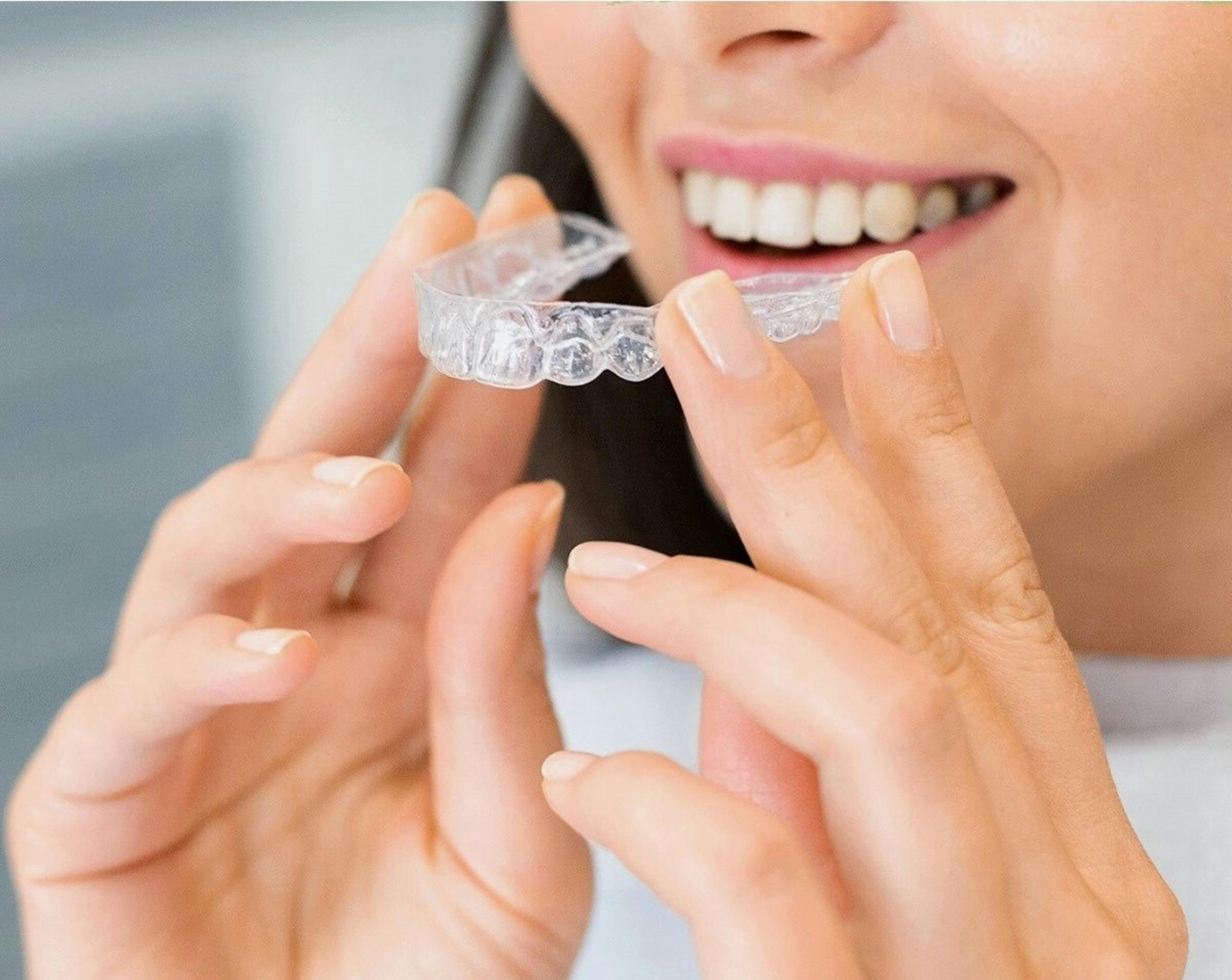
Choosing between Invisalign vs braces can be a tough decision for those looking to straighten their teeth. Both options are effective, but they differ in appearance, comfort, and treatment process. Understanding the differences will help you determine which option is best for your needs.
Understanding Invisalign vs Braces
Both Invisalign and braces work to align teeth, correct bite issues, and improve overall oral health. However, they use different methods to achieve these results:
- Braces consist of metal or ceramic brackets attached to the teeth, connected by wires that gradually shift teeth into place.
- Invisalign consists of a series of clear, custom-made aligners that are removable and nearly invisible.
Key Differences Between Invisalign and Braces
When comparing Invisalign vs braces, it’s important to consider several factors:
Appearance and Aesthetics
- Braces: Metal or ceramic brackets are visible, but ceramic braces can blend in with teeth for a more discreet appearance.
- Invisalign: Clear aligners are virtually invisible, making them a popular choice for adults and teens who want a less noticeable option.
Comfort and Convenience
- Braces: Can cause discomfort due to metal brackets and wires, which may irritate the gums and cheeks.
- Invisalign: Made of smooth plastic, reducing irritation. Aligners are removable, allowing for easier eating and cleaning.
Treatment Duration
- Braces: Treatment typically lasts between 18 to 36 months, depending on the severity of misalignment.
- Invisalign: Average treatment time ranges from 12 to 18 months, but this varies by case. Patients must also change aligners every one to two weeks to ensure continuous progress.
Maintenance and Oral Hygiene
- Braces: Require careful brushing and flossing around brackets and wires to prevent plaque buildup. Special tools, such as floss threaders or water flossers, can help maintain oral hygiene.
- Invisalign: Aligners are removable, making it easier to brush and floss as usual. However, aligners must be cleaned regularly to avoid bacteria buildup and discoloration.
Dietary Restrictions
- Braces: Patients must avoid sticky, hard, or chewy foods that can damage brackets and wires.
- Invisalign: No food restrictions, as aligners are removed before eating.
Effectiveness and Suitability
Braces tend to be more effective for complex orthodontic cases, such as severe misalignment, significant bite issues, or rotated teeth. They apply continuous pressure, which makes them ideal for cases that require precise movement of individual teeth. Invisalign, on the other hand, is best suited for mild to moderate alignment problems. Since Invisalign trays are custom-fitted and gradually shift teeth using a controlled force, they work well for patients who can commit to wearing them for the recommended 20-22 hours per day.
Who Should Choose Braces?
Braces may be the better option for individuals with:
- Severe misalignment or complex orthodontic issues
- A preference for a treatment that does not require self-discipline (as Invisalign must be worn 20-22 hours a day)
- No concern about visible brackets
- Need for more precise control over tooth movement
Who Should Choose Invisalign?
Invisalign may be ideal for those who:
- Prefer a discreet, nearly invisible option
- Have mild to moderate alignment issues
- Want the flexibility to remove aligners when eating or brushing
- Are committed to wearing aligners for the required amount of time daily
- Prefer fewer in-office visits, as Invisalign typically requires check-ups every 6-8 weeks
Cost Comparison: Invisalign vs Braces
The cost of Invisalign vs braces varies based on factors like treatment complexity and location. On average:
- Braces: Range from $3,000 to $7,000
- Invisalign: Typically costs between $3,500 and $8,000
Many dental insurance plans cover both options partially, and financing plans may be available. It’s also worth considering the cost of additional maintenance, such as replacement aligners for Invisalign or repairs for broken brackets with braces.
Lifestyle Considerations
Your daily habits and routine may influence your decision when choosing between Invisalign vs braces. If you play contact sports, braces may require extra protection, such as a mouthguard. Invisalign wearers, on the other hand, must be diligent about keeping track of their aligners and cleaning them regularly. Additionally, since Invisalign is removable, patients must develop good habits to ensure they wear the aligners as required for optimal results.
Which Option is Right for You?
Choosing between Invisalign vs braces depends on your lifestyle, budget, and dental needs. Consulting with an experienced dentist or orthodontist can help you determine the best solution for your smile. Ultimately, both options provide effective results, and selecting the right one depends on your personal preferences and orthodontic requirements.If you’re considering Invisalign, contact Kremer Dental Care today to schedule a consultation. Our team will help you decide if Invisalign is right for you or give you an orthodontist recommendation for traditional braces.
FAQs
What is the main difference in appearance between Invisalign and braces?
With traditional braces you’ll have visible metal or ceramic brackets and wires on your teeth. Invisalign uses clear, custom-made aligners that are nearly invisible, making them a more discreet option.
How do comfort and convenience compare between Invisalign and braces?
Braces can irritate gums or cheeks and make cleaning around wires and brackets more difficult.
Which option generally takes longer — braces or Invisalign?
Braces often require 18-36 months of treatment depending on severity of misalignment.
What about dietary and hygiene restrictions with each method?
When you wear braces you must avoid sticky or hard foods and take extra care cleaning around brackets and wires.
Which treatment is more suitable for complex orthodontic issues?
Braces provide continuous pressure and are better suited for severe misalignment, complicated bite problems, or difficult tooth movement.

